
Preimplantation genetic testing
Genetic testing of eggs and embryos before transfer, for a better chance of a healthy pregnancy.
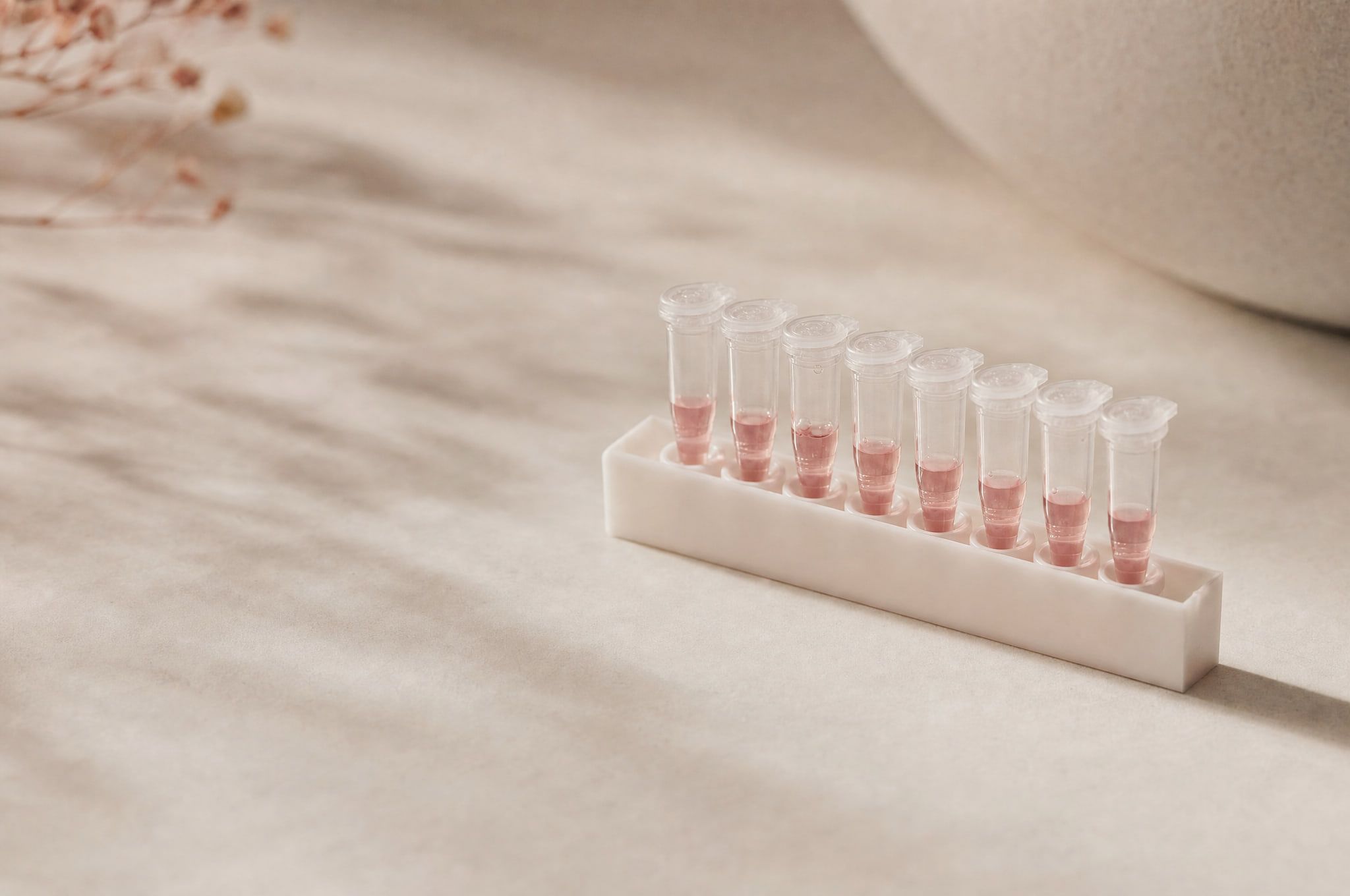
Polar body diagnosis
What is the benefit?
One of the main causes of miscarriage and chromosomal abnormalities in the baby, especially in women of more advanced reproductive age, is the incorrect separation of chromosomes while the egg matures and is fertilised.
By examining the polar body of each egg, we can indirectly tell whether there is a risk of a chromosomal abnormality. Selecting healthy eggs in advance, especially in women of more advanced reproductive age, increases the chance of successful implantation and pregnancy.
How it is done
About 2–3 hours after ICSI, a small opening is made in the outer layer around the egg and the polar body is removed.
Within the first 24 hours, the FISH method can detect the key human chromosomes 13, 16, 18, 21 and 22, so we can tell very quickly whether these chromosomes are healthy in that egg.
Are there any risks?
So far, no risks have been reported from this test. Polar bodies do not appear to play any role in the later development of the fertilised egg. However, this method can only detect genetic conditions that come from the mother, and it gives only indirect information about the rest of the genetic material in the egg. Analysis of other genetic variations is only possible to a limited extent.
Preimplantation diagnosis with blastomere or blastocyst biopsy
Genetic analysis of chromosomal abnormalities from the father and the mother (PGD, today called PGT) is carried out at the 8-cell stage or at the blastocyst stage (about 100 cells), when the egg, fertilised by the sperm and now carrying the father’s genes, has divided for three days (8 cells) or five days (blastocyst). The technique is similar to polar body removal. According to recent publications, pregnancies after embryo or blastocyst biopsy for preimplantation diagnosis do not appear to differ from other IVF pregnancies.
Medical content by the Fertility Clinic team